Facial thread veins (also called spider veins or telangiectasia) are fine red or purple vessels that commonly appear on the nose, cheeks and chin. They are extremely common and almost never a medical problem, yet many people find them cosmetically frustrating. Laser treatment is one of the most effective non-surgical ways to reduce them.
This guide explains how facial thread vein removal works, how many sessions are typically needed, what results look like in practice, and how facial treatment differs from leg thread veins.
Why Facial Thread Veins Respond Well to Laser
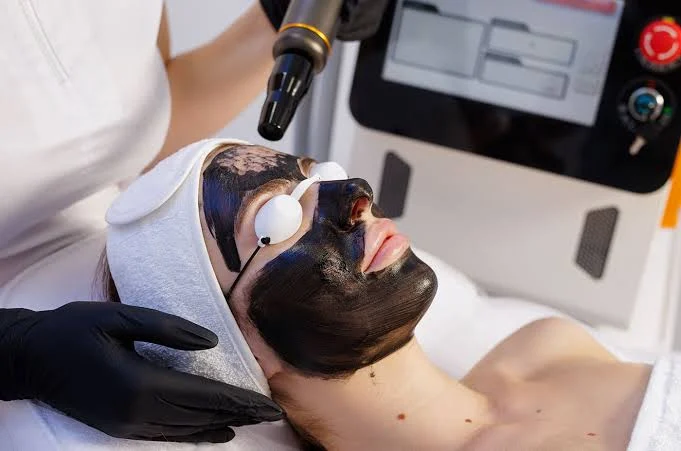
Facial thread veins are usually small and sit very close to the surface of the skin. Laser energy is absorbed by the haemoglobin inside the vessel, generating heat that damages the vessel wall. The body then gradually clears the treated vessel over the following weeks.
Because the vessels are superficial and fine, they are ideal targets for vascular lasers. This is different from many leg thread veins, which can be larger, deeper or connected to underlying venous pressure issues and often respond better to sclerotherapy.
How Many Sessions Are Needed?
There is no single number that fits everyone. The total depends on the number of vessels, their size and depth, whether they are isolated or part of a denser network, and whether rosacea or other factors are contributing.
Typical ranges based on clinical experience and published outcomes:
- Fine, scattered single vessels — Often significant improvement after 1 session; some people need a second.
- Moderate clusters (common on cheeks or around the nose) — Usually 2–3 sessions.
- More extensive or stubborn networks — 3–4 sessions, occasionally more.
- Rosacea-related diffuse redness plus vessels — May require a longer course and concurrent management of the underlying rosacea.
The clinic commonly works within a range of 1–6 sessions overall, tailored to the individual. Sessions are usually spaced 4–6 weeks apart so that the body has time to clear the treated vessels and the response can be properly assessed before the next treatment.
A single session rarely clears every vessel completely when there is a moderate or dense pattern. Progressive clearance across a short course is the normal and realistic pathway.
What Results Can You Expect?
Immediately after treatment
Treated vessels may look darker, greyish or more noticeable for a short time. Mild redness, warmth or slight swelling is common and usually settles within hours to a couple of days. Some people experience temporary purpura (small bruise-like marks), depending on the laser settings used.
Weeks 1–3
The body begins absorbing the damaged vessels. Gradual fading becomes noticeable.
Around 4–6 weeks
This is when clearer improvement from that session is typically visible. The clinic notes results around the six-week mark, which aligns with the usual clearance window for facial vessels.
After a full course
Most people achieve substantial reduction in the treated vessels. Clearance of successfully treated vessels is generally permanent — once the vessel has been closed and reabsorbed it does not reopen. However, new thread veins can form later if the underlying drivers (sun exposure, rosacea, genetic predisposition, hormonal factors or ageing) continue.
Results are progressive rather than instantaneous. Expect improvement after each session, with the overall outcome judged several weeks after the final treatment.
Facial vs Leg Thread Veins – Key Differences
| Aspect | Face | Legs |
| Typical vessel size | Fine, superficial | Often larger or deeper |
| Preferred first-line | Laser | Sclerotherapy for many cases |
| Sessions needed | Often fewer (1–3 common) | Variable; may need more |
| Response to laser | Generally excellent | Good for very fine vessels; less ideal for larger ones |
| Underlying factors | Sun, rosacea, genetics, ageing | Venous pressure, valves, hormones, standing |
Facial treatment is usually more straightforward with laser alone. Leg treatment more often involves assessment for any underlying venous issues and may combine or prioritise sclerotherapy.
What the Treatment Feels Like and Recovery
Most facial sessions take 15–60 minutes depending on the area. A sensation of heat or a quick snap is common; topical anaesthetic is sometimes used for comfort. There is no significant downtime for the majority of people — you can normally return to normal activities immediately. Temporary redness or mild swelling is the main short-term effect.
Strict sun protection afterwards is important. Treated skin can be more sensitive to UV, and ongoing sun exposure is one of the main reasons new vessels appear.
Realistic Expectations and Limitations
Laser is highly effective for fine facial thread veins, but it is not a one-and-done permanent solution for everyone.
- Treated vessels that respond fully are cleared permanently.
- New vessels can still develop over time.
- Diffuse background redness from rosacea may need separate or concurrent management.
- Complete 100% clearance of every single vessel is not always achievable, especially with extensive patterns.
- Individual response varies with skin type, vessel characteristics and aftercare.
An assessment that looks at the exact pattern, skin type and any contributing factors allows a realistic plan to be made.
Who Is a Good Candidate?
Laser treatment for facial thread veins suits most people bothered by visible fine vessels on the nose, cheeks or chin, provided there are no major contraindications (such as certain skin conditions, recent tanning, or specific medications). It is suitable across a range of skin types when parameters are adjusted appropriately.
It is less about “fixing” the vessels and more about selectively closing them so the body can clear them naturally.
The Bottom Line
Facial thread vein removal with laser typically requires 1–3 sessions for simpler cases and 2–4 (sometimes more) for denser or more extensive patterns, spaced several weeks apart. Visible improvement builds over the weeks following each treatment, with clearer results often apparent around the four-to-six-week mark. Treated vessels that respond are permanently cleared, though new ones can appear later if risk factors continue.
The approach is non-invasive, has minimal downtime, and is particularly well suited to the fine, superficial vessels that appear on the face — in contrast to many leg thread veins, which are managed differently.
If facial thread veins are affecting your confidence, a consultation can map the vessels, discuss a realistic number of sessions for your pattern, and outline the results you can reasonably expect.